

The Role of Antioxidants in Reducing Inflammation
Antioxidants are compounds that help protect the body from oxidative stress by neutralizing free radicals. Free radicals are unstable molecules that can damage cells, proteins, and DNA, leading to infl-ammation and increasing the risk of ch-ronic diseases. Chronic inflammation is linked to conditions such as heart dis-ease, diabetes, cancer, and autoimmune disorders.
© Copyright MyVitalhorizon.com. All Rights Reserved
Our Blog

The Power of Antioxidants in Reducing Inflammation
Antioxidants are compounds found in food that help protect the body from oxidative stress—a condition where harmful molecules called free radicals damage cells and tissues. Chronic oxi-dative stress is a key contributor to in-flammation, which in turn can lead to various health issues, including heart disease, cancer, and autoimmune disorders.

The Role of Fiber in Reducing Inflammation
Fiber is an essential part of a healthy diet, known for its digestive benefits, but its role in reducing inflammation is often overlooked. Inflammation is a complex biological response to harmful stimuli such as pathogens, damaged cells, or irritants. While short- term inflammation is necessary for healing, chronic infl-ammation is a key contributor to nu-merous diseases, including heart dis-ease, arthritis, and diabetes.

How Antioxidants Help Combat Inflammation
Antioxidants are natural compounds present in food that safeguard the body against oxidative stress—a condition caused by harmful free radicals that can damage cells and tissues. Persistent oxidative stress is a major factor in inflammation, which may contribute to serious health conditions such as heart disease, cancer, and autoimmune disorders.

The Role of Omega-3 Fatty Acids in Reducing Inflammation
Omega-3 fatty acids are essential fats that play a key role in promoting heart health, supporting brain function, and, importantly, reducing inflammation. Chronic inflammation is a significant contributor to various health issues, including cardiovascular disease, arthritis, and autoimmune conditions. Incor-porating omega-3s into your diet can be a powerful strategy to reduce inflammation and promote overall health.

The Role of Probiotics in Managing Inflammation
Probiotics are live microorganisms that provide health benefits when consumed in adequate amounts. Often referred to as "good bacteria" probiotics play an essential role in maintaining gut health, but their impact extends far beyond digestion. One of the most exciting areas of research in recent years has been the role of probiotics in managing inflammation.
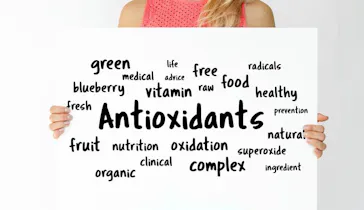
The Connection Between Antioxidants and Inflammation Relief
Antioxidants are natural compounds that defend the body against oxidative stress by neutralizing free radicals—unstable molecules that can harm cells, proteins, and DNA.